
Loading city information...
Join our Facebook Group: Join: Expats in Poland
Loading city information...
Discover the best things to do in Warsaw, Poland's vibrant capital. From historic Old Town to modern attractions, explore top landmarks, museums, and cultural experiences.
Warsaw, Poland's dynamic capital, offers a perfect blend of historic charm and modern energy. This resilient city has risen from the ashes of World War II to become one of Central Europe's most exciting destinations. With its UNESCO-listed Old Town, world-class museums, beautiful parks, and vibrant cultural scene, Warsaw provides visitors with an authentic Polish experience that's both educational and entertaining.
Whether you're interested in history, culture, architecture, or simply experiencing authentic Polish life, Warsaw offers something for every type of traveler. The city's unique atmosphere, combined with its rich heritage and modern amenities, makes it an ideal destination for both short visits and extended stays.
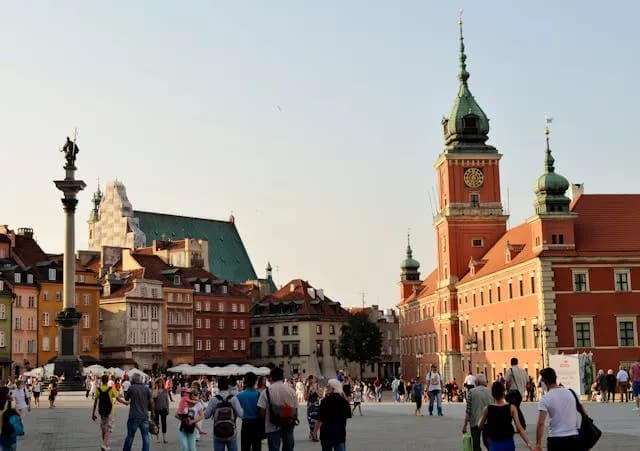
Warsaw's UNESCO World Heritage-listed Old Town is a beautifully reconstructed medieval quarter that showcases the city's resilience. Wander through cobblestone streets lined with colorful townhouses, visit the iconic Royal Castle, and admire the stunning Market Square with its mermaid statue. The area comes alive with street performers, outdoor cafes, and traditional Polish restaurants serving authentic pierogi and other local specialties.
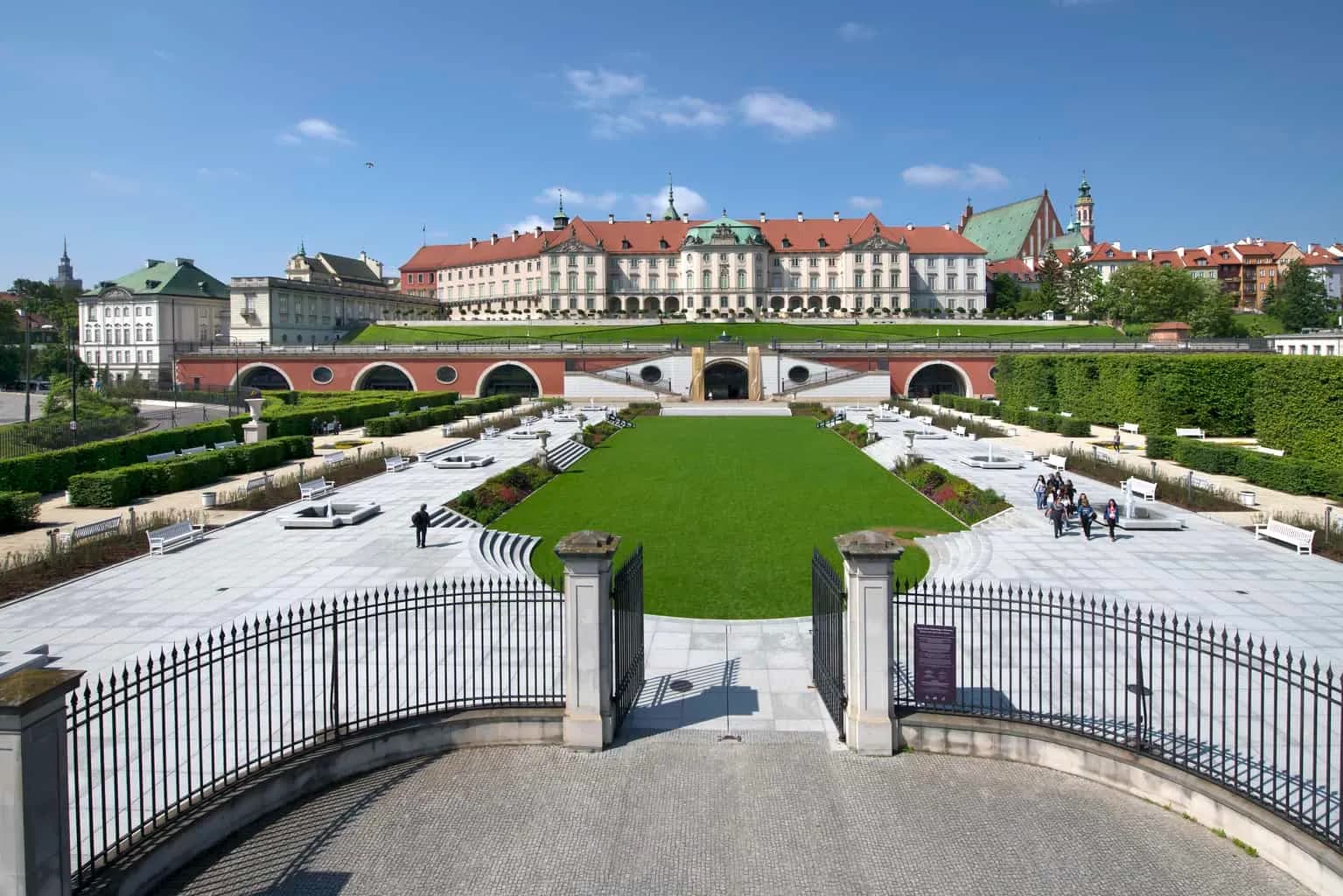
This magnificent royal residence stands as a symbol of Polish national identity and resilience. The castle was completely destroyed during World War II and meticulously reconstructed using original plans and surviving fragments. Today, visitors can explore opulent royal apartments, admire priceless art collections, and learn about Poland's royal history through interactive exhibits and guided tours.
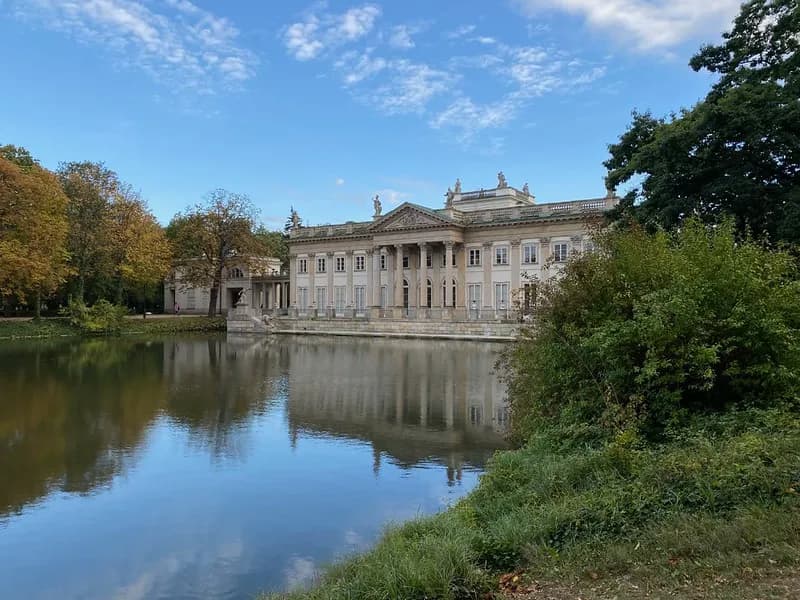
Warsaw's largest and most beautiful park is a peaceful oasis in the heart of the city. The park features the stunning Palace on the Water, an 18th-century summer residence surrounded by a lake. Stroll through manicured gardens, spot peacocks roaming freely, and enjoy classical music concerts at the Chopin Monument during summer months. The park is especially magical in autumn when the leaves change color.
Discover and book guided tours, skip-the-line tickets, and unique experiences in Warsaw.
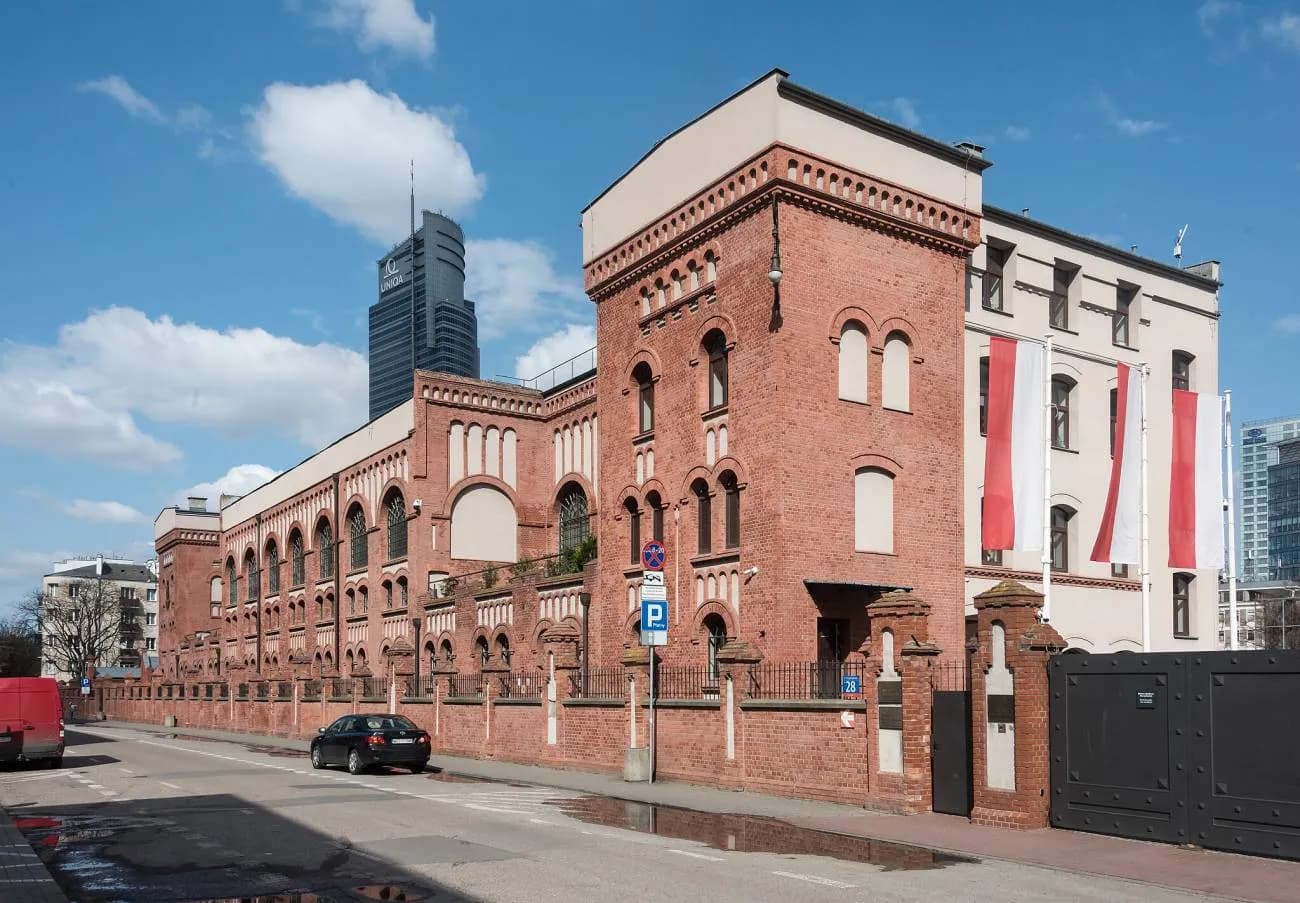
This powerful museum tells the story of the 1944 Warsaw Uprising through immersive exhibits, personal testimonies, and authentic artifacts. Visitors can walk through reconstructed sewers, see original weapons and uniforms, and experience the emotional journey of Warsaw's brave resistance fighters. The museum provides crucial context for understanding the city's wartime history and post-war reconstruction.
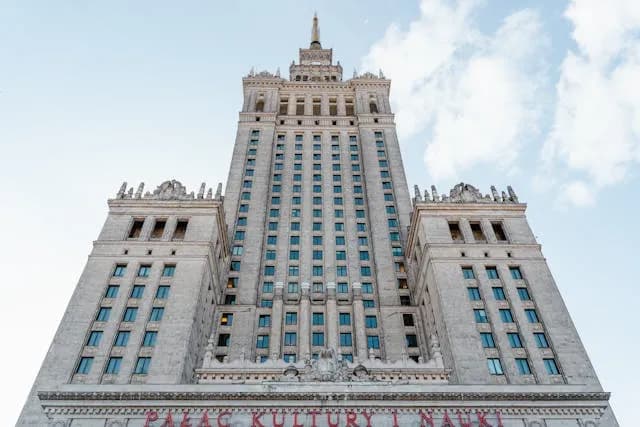
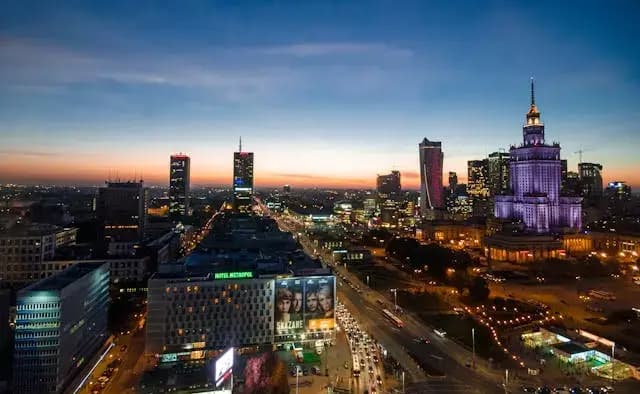
This iconic Stalinist skyscraper dominates Warsaw's skyline and offers the best panoramic views of the city. Take the elevator to the 30th floor observation deck for breathtaking 360-degree views stretching for miles in every direction. The building also houses theaters, museums, and exhibition spaces, making it a cultural hub in the heart of the city.
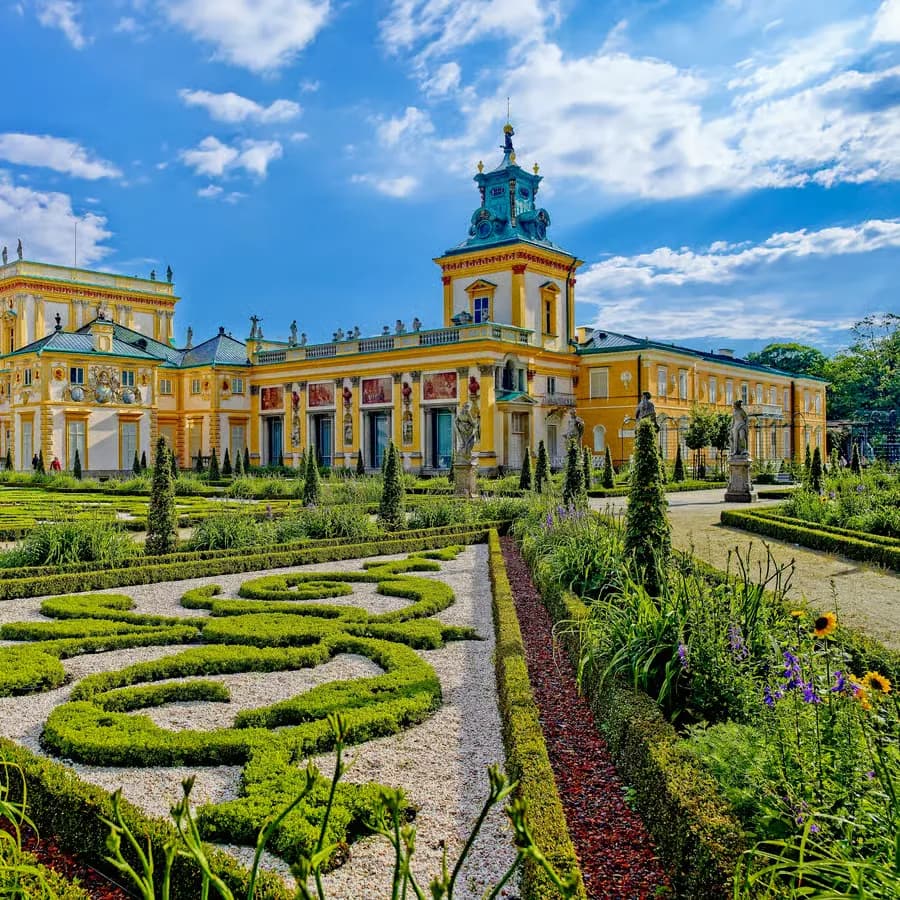
Known as the 'Polish Versailles,' this magnificent baroque palace showcases the wealth and power of Polish nobility. The palace features beautifully preserved interiors with original furniture, artwork, and decorative elements. The surrounding gardens are equally impressive, with formal French-style layouts, fountains, and seasonal flower displays that make this a perfect destination for history and nature lovers.
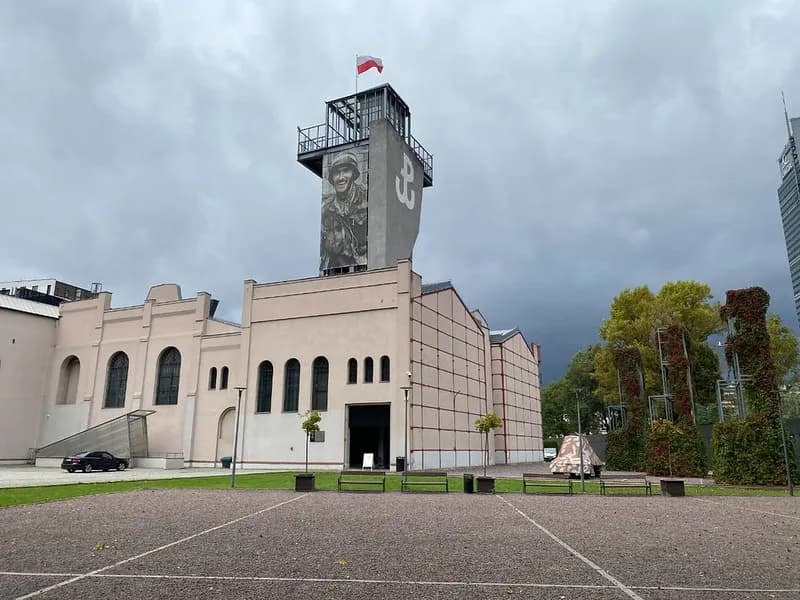
This award-winning museum presents 1,000 years of Jewish history in Poland through innovative multimedia exhibits and interactive displays. The building itself is an architectural masterpiece, and the exhibitions tell the complex story of Jewish life in Poland from medieval times through the Holocaust to the present day. It's an essential visit for understanding Poland's multicultural heritage.
Warsaw's most elegant shopping and dining street offers a sophisticated urban experience with historic architecture, upscale boutiques, and excellent restaurants. The street is particularly beautiful in the evening when illuminated, creating a romantic atmosphere perfect for evening strolls. Stop at one of the many cafes for traditional Polish coffee and pastries while people-watching.
Click on a numbered marker to see the attraction name. Numbers correspond to the attraction order below.
Start your day in the Old Town. Walk through the cobblestone streets to the Market Square, admire the colorful townhouses, and visit the Royal Castle. Grab a coffee at one of the cafes on Krakowskie Przedmiescie and stroll down this elegant boulevard past the Presidential Palace and the University of Warsaw gate.
Head south to Lazienki Park, Warsaw's most beautiful green space. See the Palace on the Water, the Chopin Monument (free piano concerts happen here on Sundays in summer), and the peacocks roaming freely. If you are interested in history, swap Lazienki for the Warsaw Uprising Museum - it is one of the best museums in Poland and needs at least 2-3 hours.
Walk down Nowy Swiat street for dinner - this is Warsaw's most popular dining strip with restaurants at every price point. Afterward, cross the Vistula River to the Praga district for a completely different vibe - street art, craft beer bars, and the Soho Factory area. In summer, the Vistula riverbanks come alive with beach bars and food trucks.
Warsaw's food scene ranges from traditional Polish milk bars (bar mleczny) serving cheap home-style meals to Michelin-starred restaurants. Don't miss the pierogi at Zapiecek, the paczki (Polish doughnuts) at A. Blikle, and the bustling Hala Koszyki food hall for modern takes on Polish classics.
Prices are approximate and may vary by location. For full cost breakdown, see our cost of living calculator.
Warsaw has plenty to offer without spending a zloty. Lazienki Park is the obvious highlight - you can spend hours walking through the gardens, spotting peacocks, and admiring the Palace on the Water from the shore. On Sundays from May to September, free Chopin piano concerts are held at the Chopin Monument, drawing locals and visitors who sit on the grass and listen.
The Old Town and Royal Way are free to walk and full of architectural detail at every turn. For a less touristy experience, cross the Vistula River to the Praga district where the street art scene is one of the best in Europe. The rooftop garden of the Warsaw University Library offers stunning views of the river and is open to the public for free. In summer, the Multimedia Fountain Park in Podzamcze puts on water and light shows on weekend evenings.
Warsaw is a great base for exploring the surrounding region. These destinations are all reachable in a day and offer diverse experiences - from historical sites to natural wonders.
Most day trips can be done by train or bus. Check our travel guide for detailed transportation info, or book an organized tour above for a hassle-free experience.
Choosing the right area can make or break your trip. Here's a quick guide to Warsaw's neighborhoods to help you pick the best base for your visit.
| Neighborhood | Price Level | Why Stay Here |
|---|---|---|
| Mokotów | High | Popular expat area with parks, international schools, and excellent infrastructure |
| Żoliborz | Medium | Historic district with great architecture and peaceful atmosphere |
| Wilanów | High | Modern residential area popular with families, featuring the royal palace |
| Praga | Low | Up-and-coming district with artistic vibe and lower rents |
Hotel prices correlate with neighborhood rent levels. For longer stays, consider renting an apartment for better value. Planning to relocate? See our full Warsaw living guide.
Warsaw has the best public transport in Poland. It's the only city with a metro (two lines - M1 running north-south and M2 running east-west), plus an extensive network of trams, buses, and the SKM commuter rail. A single ticket costs 4.40 PLN (20 min) or 7 PLN (75 min), and a 24-hour pass is just 26 PLN. Buy tickets through the Jakdojade or WTP app - paper tickets need to be validated on board. The metro runs from 5:00 to midnight, with night buses covering the city after hours. Warsaw Chopin Airport (WAW) is connected to the center by bus 175/188 (30 min) or the S2/S3 train from the terminal's own station (25 min, 4.50 PLN).
110 PLN monthly pass
Monthly pass
5+
Transport types
2
Airports
Warsaw's Old Town was 85% destroyed in WWII and rebuilt brick by brick using paintings by Canaletto as reference. It's the only entirely reconstructed city center on the UNESCO World Heritage list.
The Palace of Culture and Science was a 'gift' from Stalin. Locals joke that the best view of Warsaw is from the top of the building - because it's the only place you can't see it.
Warsaw has more trees per capita than almost any European capital. The city is remarkably green, with parks covering over 25% of its area.
The Warsaw Mermaid (Syrenka) is the city's symbol and appears on the coat of arms. Legend says she was caught by a fisherman in the Vistula but freed after she sang a beautiful song.
Frederic Chopin's heart is preserved in a pillar of the Holy Cross Church on Krakowskie Przedmiescie street, smuggled out of Paris after his death per his dying wish.
Warsaw had the first public library in Poland (1747) and the world's second-oldest national constitution (1791) - the Constitution of 3 May, just after the United States.
Warsaw is a great place to stock up on Polish souvenirs before heading home. The E. Wedel chocolate shop on Szpitalna Street is an institution - pick up a box of their famous ptasie mleczko (bird's milk chocolate) or torcik wedlowski (wafer cake). For high-quality Polish design and crafts, check out the shops around Hala Koszyki and the Nowy Swiat area, where you will find Polish ceramics, linen, and contemporary design.
Other great picks include Polish vodka (Zubrówka with bison grass, Chopin, or Belvedere), krowki (milk fudge candies) which make perfect small gifts, and Ziaja or Inglot cosmetics - Polish beauty brands that are much cheaper here than abroad. The Old Town souvenir stalls sell hand-painted Christmas ornaments and folk art, though the quality varies - stick to the nicer shops for better pieces.
Warsaw has two airports: Chopin Airport (WAW) and Modlin Airport (WMI), both with connections to major European cities. You can also reach Warsaw by train via PKP Intercity, with direct connections from Warsaw, Krakow, and other major cities. FlixBus and other bus operators provide affordable connections from major cities. The city is also well-connected by car via Poland's modern highway network.
Warsaw can be enjoyed year-round, with each season offering something different. Spring (March to May) brings mild weather, fewer crowds, and blooming gardens. Summer (June to August) is the peak season with warm weather, outdoor events, and festivals. Autumn (September to November) offers beautiful fall colors, cultural events, and comfortable temperatures. Winter (December to February) is perfect for Christmas markets, cozy cafes, and a quieter atmosphere with fewer tourists.
Planning your budget for Warsaw depends on your travel style. Budget travelers can expect to spend around 150-250 PLN (roughly 35-60 EUR) per day, covering basic accommodation in hostels or budget hotels, local meals at milk bars, and public transportation. Mid-range travelers should budget 300-500 PLN (70-120 EUR) per day for comfortable hotels, restaurant meals, and entrance fees to attractions. For luxury experiences with premium accommodations and fine dining, expect to spend 800+ PLN (180+ EUR) per day.
Accommodation in Warsaw typically ranges from 100-400 PLN (25-90 EUR) per night depending on the type and location. Food and drinks will cost approximately 80-150 PLN (20-35 EUR) per day, with options ranging from budget-friendly local eateries to sit-down restaurants. Public transportation within the city is affordable at 15-30 PLN (4-7 EUR) per day. Attractions and activities generally cost 50-100 PLN (12-25 EUR) per day, though many parks, churches, and historic sites can be explored for free.
Polish culture places a strong emphasis on politeness and hospitality. When greeting people, a firm handshake is standard, and you should use "Dzien dobry" (Good day) when meeting someone and "Do widzenia" (Goodbye) when leaving. At restaurants, it is customary to wait for everyone to be served before eating, and saying "Smacznego" (Enjoy your meal) is a nice touch that locals appreciate.
Warsaw has a lively cultural scene with festivals, markets, and performances throughout the year. Visiting a local market is one of the best ways to experience authentic Polish daily life - you will find fresh produce, regional specialties, and handcrafted goods. Classical concerts, folk performances, and art exhibitions are regularly held in venues across the city.
When visiting churches and religious sites, remember to dress modestly and remove your hat. Poles are generally respectful of personal space but warm once you get to know them. Learning even a few basic Polish phrases will go a long way - locals genuinely appreciate the effort, even if your pronunciation is not perfect.
Staying connected in Warsaw is easy. Free WiFi is available in most hotels, cafes, restaurants, and many public spaces. Poland has excellent 4G and 5G mobile coverage throughout the country, so you should have no trouble using data on the go. If you are visiting from outside the EU, consider getting an eSIM from providers like Airalo, Holafly, or Nomad for seamless internet access - you can learn more in our eSIM guide for Poland. Prepaid SIM cards are also available at airports, kiosks, and mobile shops if you prefer a physical card.
The official language is Polish, but English is widely spoken in tourist areas, hotels, and restaurants, especially by younger people. A few useful phrases to know: "Dzien dobry" (Good day), "Dziekuje" (Thank you), and "Czy mowisz po angielsku?" (Do you speak English?). Google Translate works well for Polish - downloading the offline language pack before your trip is a good idea. For emergencies, dial 112 for general assistance, 997 for police, 998 for fire, or 999 for an ambulance.
Many visitors fall in love with Warsaw and decide to make it their home. If you're considering the move, here are the essential resources to get you started.
Cost of living, neighborhoods, job market, and expat community guide for Warsaw.
Step-by-step guide to renting in Poland - where to search, what to expect, and how to avoid scams.
Compare Polish banks, required documents, and how to open an account as a foreigner.
Discover and book the best attractions, guided tours, and experiences in Warsaw with our trusted travel partner.
With its rich history, stunning architecture, and vibrant culture, Warsaw offers an unforgettable Polish experience. Get ready for your journey with essential travel tools and guides.
Discover more amazing destinations across Poland. Each city offers unique experiences, rich history, and unforgettable attractions.
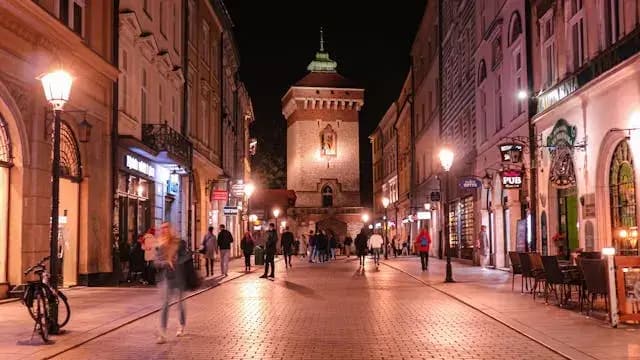
Wawel Castle · Main Market Square (Rynek Główny) · Jewish Quarter (Kazimierz)
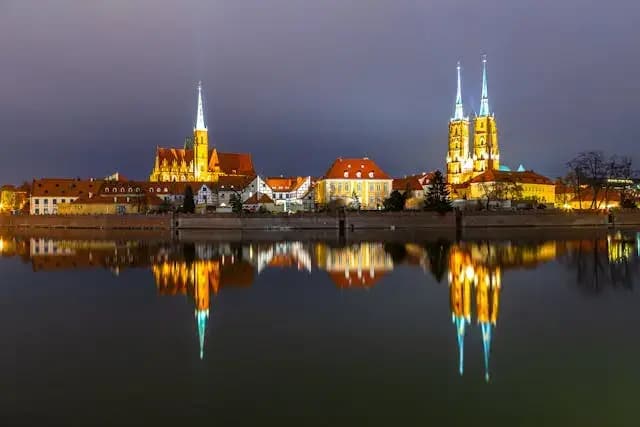
Market Square (Rynek) · Cathedral Island (Ostrów Tumski) · Centennial Hall (Hala Stulecia)
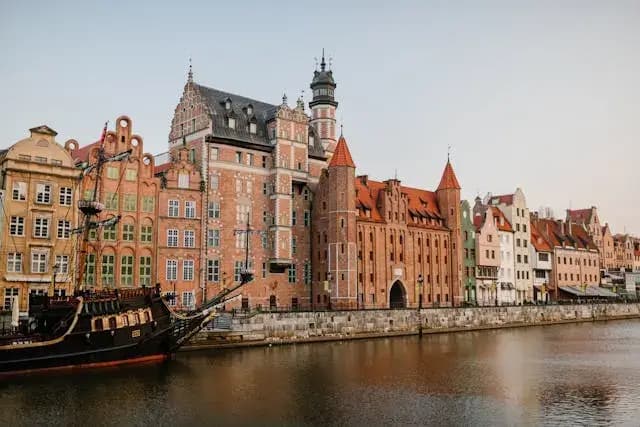
Long Market (Długi Targ) · Neptune Fountain (Fontanna Neptuna) · Westerplatte
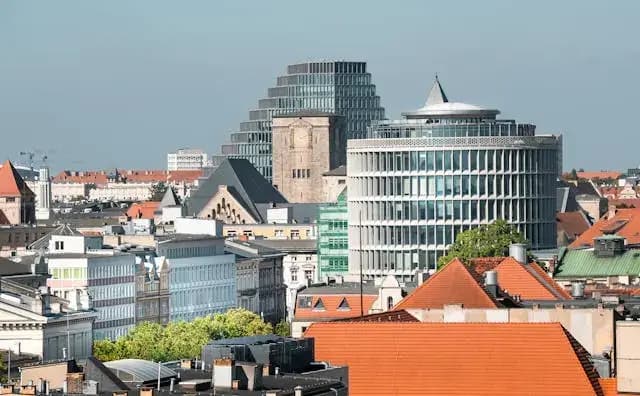
Old Market Square (Stary Rynek) · Poznan Cathedral (Katedra Poznańska) · Imperial Castle (Zamek Cesarski)
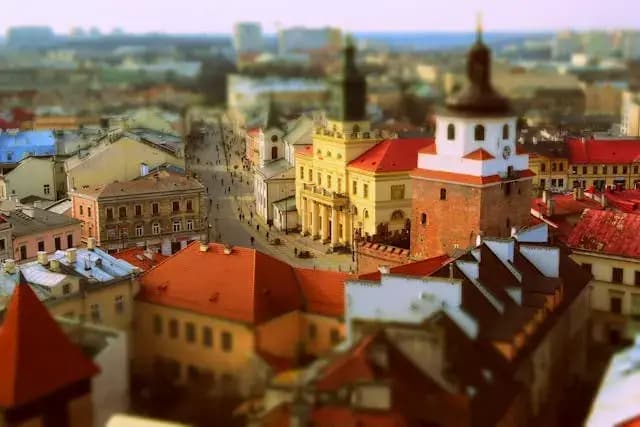
Old Town (Stare Miasto) · Lublin Castle (Zamek Lubelski) · Majdanek Memorial and Museum
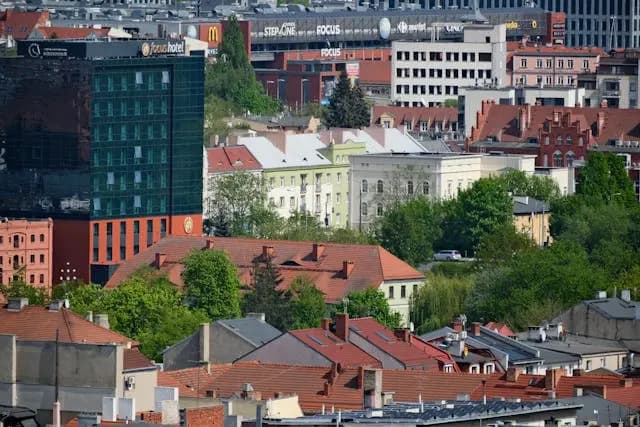
Spodek Arena · Nikiszowiec · Silesian Museum (Muzeum Śląskie)
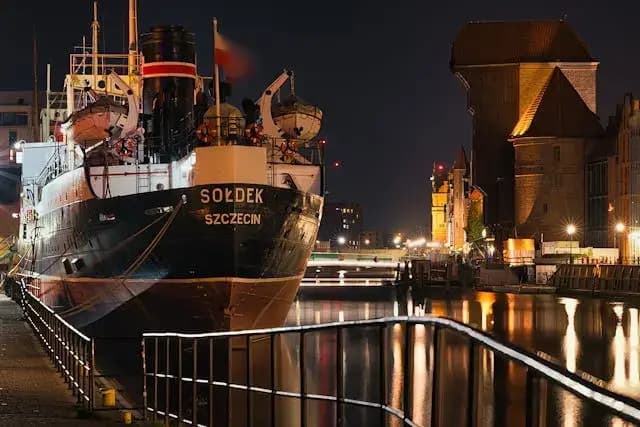
Castle of Pomeranian Dukes (Zamek Książąt Pomorskich) · Hakenterrasse (Wały Chrobrego) · Central Cemetery (Cmentarz Centralny)
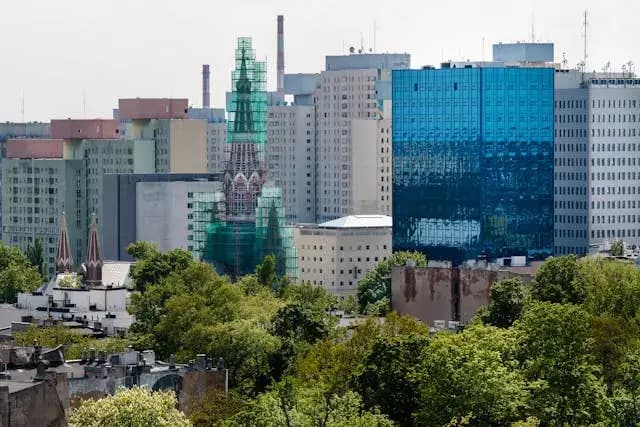
Piotrkowska Street (Ulica Piotrkowska) · Manufaktura · Jewish Cemetery (Cmentarz Żydowski)